






CONTACT US

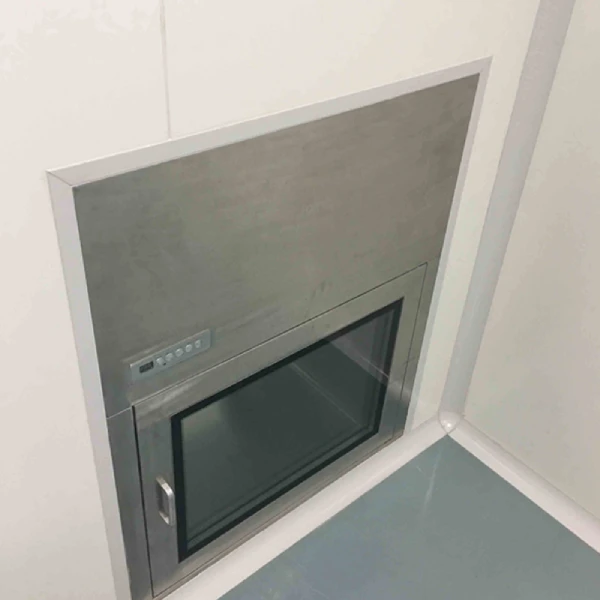
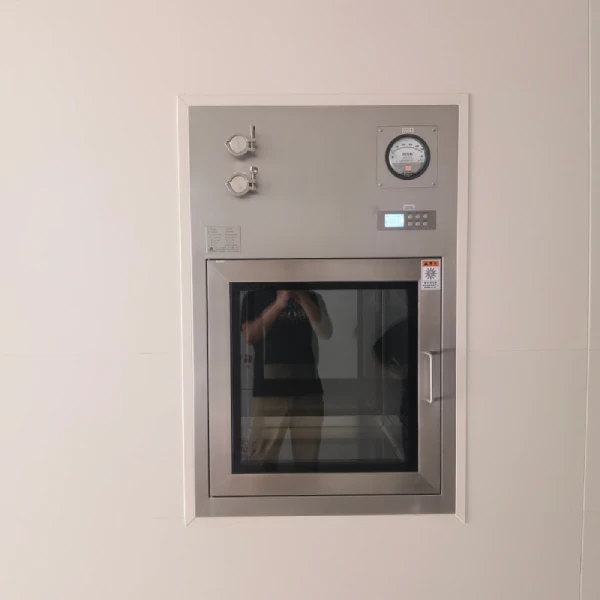
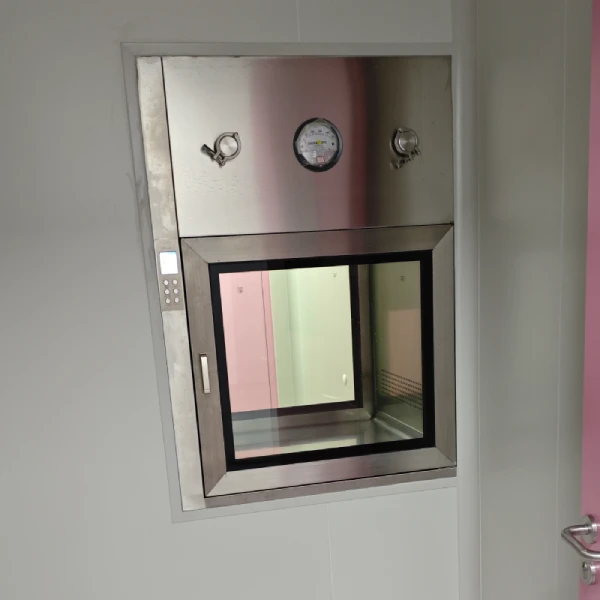
Dynamic Pass Box
Overview:
Compared to a Static Pass Box, it has larger external dimensions for the same internal size and a higher manufacturing cost. Dynamic pass boxes are divided into two subtypes: Laminar Flow Pass Box, which provides vertical laminar airflow in a top-supply
Hot Tags:
DETAIL:
Dynamic Pass Box
A dynamic pass box refers to a pass box in which the internal airflow is dynamic, featuring a self-circulating airflow pattern. Clean air is supplied into the chamber while contaminated air is expelled, maintaining cleanliness inside the pass box.
The dynamic pass box is equipped with a fan and a filter. The fan draws air in, and the filter purifies the air before blowing it into the pass box, pushing contaminated air out through the exhaust port, thus creating a continuous circulation.
Compared to a static pass box, the dynamic pass box includes an additional air filtration process and components that provide self-circulating airflow. Therefore, for the same internal dimensions, the external dimensions of a dynamic pass box are larger, and its manufacturing cost is higher than that of a static pass box.
Classification of Dynamic Pass Boxes
Dynamic pass boxes can be further divided into laminar flow pass boxes and air shower pass boxes.
Laminar Flow Pass Box
A laminar flow pass box provides vertical laminar airflow. From top to bottom, the pass box is sequentially equipped with a fan, a filter, and a flow straightener (perforated plate/flow homogenizing film). The internal airflow follows a top-supply, bottom-return pattern. The airflow velocity from the flow straightener meets laminar flow requirements.
Air Shower Pass Box
Unlike the laminar flow type, the air shower pass box is not equipped with a flow straightener. Instead, it features circular nozzles at the air outlet. During operation, clean air filtered by the HEPA filter is blown out from the nozzles at a velocity of no less than 25 m/s (typical value), dislodging dust particles from the surface of the items being transferred. The dislodged contaminants are then expelled through the air outlet or recirculated to the air intake, filtered again, and blown out through the nozzles. This cycle forms a micro self-circulating clean environment.
FAQ
- 1 How do electronic interlocks improve operation?
- 2 What installation method is best for sterile applications?
- 3 What sealing gasket maintenance is required?
- 4 What is the proper disinfection procedure for materials?
- 5 Is surface sampling required for pass-through chambers?
- 6 How should pass-through chambers be classified for cleanliness?
- 7 How does the door interlock system work?
- 8 What is the main purpose of a pass-through chamber?
- 9 What are the differences between various Pass Box types?
- 10 How to manage material transfer in sterile environments?
- 11 How to handle weighing processes in hazardous environments?
- 12 What are the differences between various material transfer systems?
1
How do electronic interlocks improve operation?
Electronic interlocks provide audio/visual alerts when doors are left open, prevent accidental damage from forced opening, enable BMS integration, and support access control with user data logging.
2
What installation method is best for sterile applications?
Use fully-welded stainless steel construction with continuous seam welds and smooth radius corners. This eliminates hard-to-clean cracks and crevices where contaminants can accumulate.
3
What sealing gasket maintenance is required?
Inspect EPDM or silicone gaskets for 250% compression when door closed. Replace if hardened, cracked, or loss of elasticity. Clean with 70% alcohol; avoid chlorine or strong acid cleaners that cause corrosion.
4
What is the proper disinfection procedure for materials?
Follow "clean first, then disinfect" - remove outer packaging, wipe with 70% isopropyl alcohol or 0.5% peracetic acid, place with spacing between items, and expose to UV for minimum 15 minutes (30 minutes recommended).
5
Is surface sampling required for pass-through chambers?
Yes. USP 797 requires surface sampling of all classified areas including pass-through chambers. Category 1/2 CSPs require monthly sampling; Category 3 requires weekly sampling and batch-end sampling.
6
How should pass-through chambers be classified for cleanliness?
Assign the ISO classification of the cleaner connected space. For example, if a pass-through connects ISO 8 to ISO 7, classify it as ISO 7. Industry best practice follows the higher standard of the two connected areas.
7
How does the door interlock system work?
The interlock (mechanical or electronic) allows only one door to open at a time. When one door opens, the opposite door automatically locks, creating an airlock that prevents cross-contamination and maintains room pressure differentials.
8
What is the main purpose of a pass-through chamber?
A pass-through chamber is an enclosure installed in a cleanroom wall to facilitate material transfer between areas while minimizing contamination risk. It reduces foot traffic, maintains differential pressure, and prevents unfiltered air exchange through interlocked doors.
9
What are the differences between various Pass Box types?
Material transfer between zones uses specific boxes. A cleanroom Dynamic Pass Box includes interlocked doors and UV lights for active decontamination. For simple transfers, a cleanroom Static PassBox serves as a physical barrier without active air circulation. Highly sensitive materials may require a cleanroom VHP Pass Box which uses vaporized hydrogen peroxide for sterilization. Selection depends on the criticality of the items being transferred between classified areas.
10
How to manage material transfer in sterile environments?
Safe transfer prevents cross-contamination. A cleanroom Pass Box allows small item exchange between zones. For active airflow control, a cleanroom Dynamic Pass Box purges particles during transfer. Sterile applications often require a cleanroom VHP Pass Box using vaporized hydrogen peroxide for thorough decontamination of materials entering isolator systems.
11
How to handle weighing processes in hazardous environments?
Potent compound handling requires containment. A cleanroom Negative Pressure Weighing Room protects operators from exposure. Materials enter through a cleanroom Aluminum Pass Box designed for durability. For non-powered transfer, a cleanroom Static PassBox provides a simple interlocked chamber ensuring safety while handling fine powders within the controlled negative pressure environment setup.
12
What are the differences between various material transfer systems?
Material transfer requires strict protocols to prevent cross-contamination. A standard cleanroom Pass Box suits general non-sterile items, while a cleanroom Dynamic Pass Box includes interlocking mechanisms for higher safety. For personnel hygiene before entry, a cleanroom Air Shower Room removes particulates from clothing. Selecting the right transfer method depends on the specific cleanliness class and workflow requirements within the facility design.